Como, November 7, 2025 The emergency phase has concluded with the complete reactivation of the sewer collector near the Cosia stream, serving the municipalities of Tavernerio, Lipomo, and part of the city of Como. The restoration work, started after the severe damage caused by the extreme weather events at the end of September, was completed in recent days, restoring full functionality to the wastewater management infrastructure.
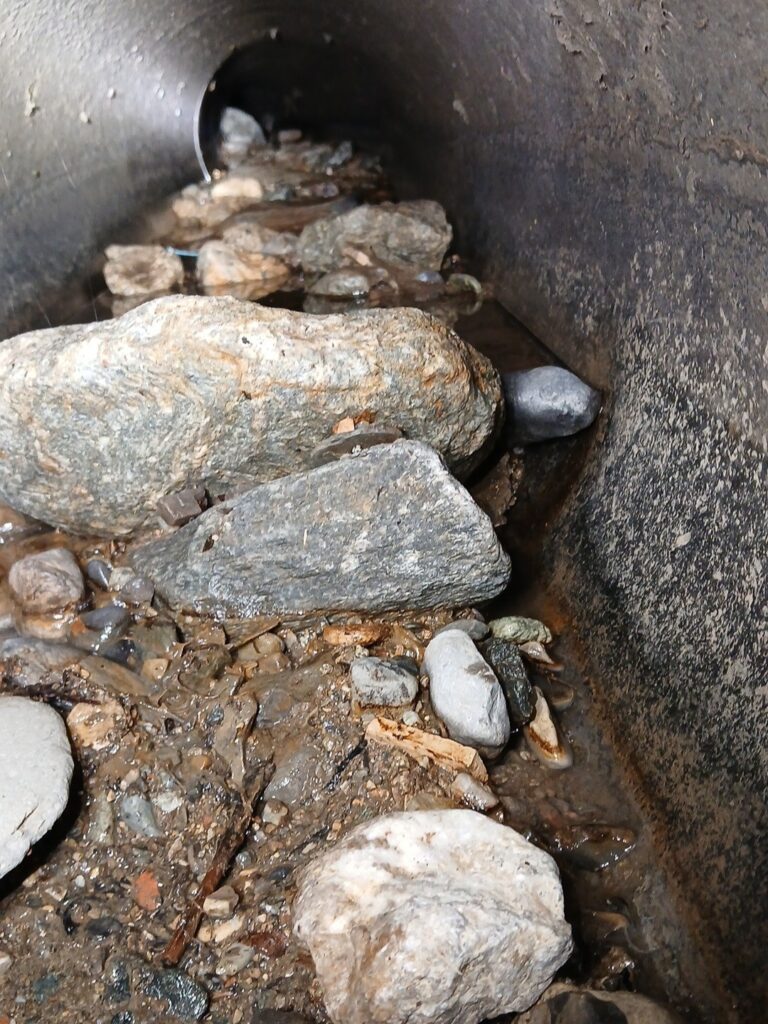
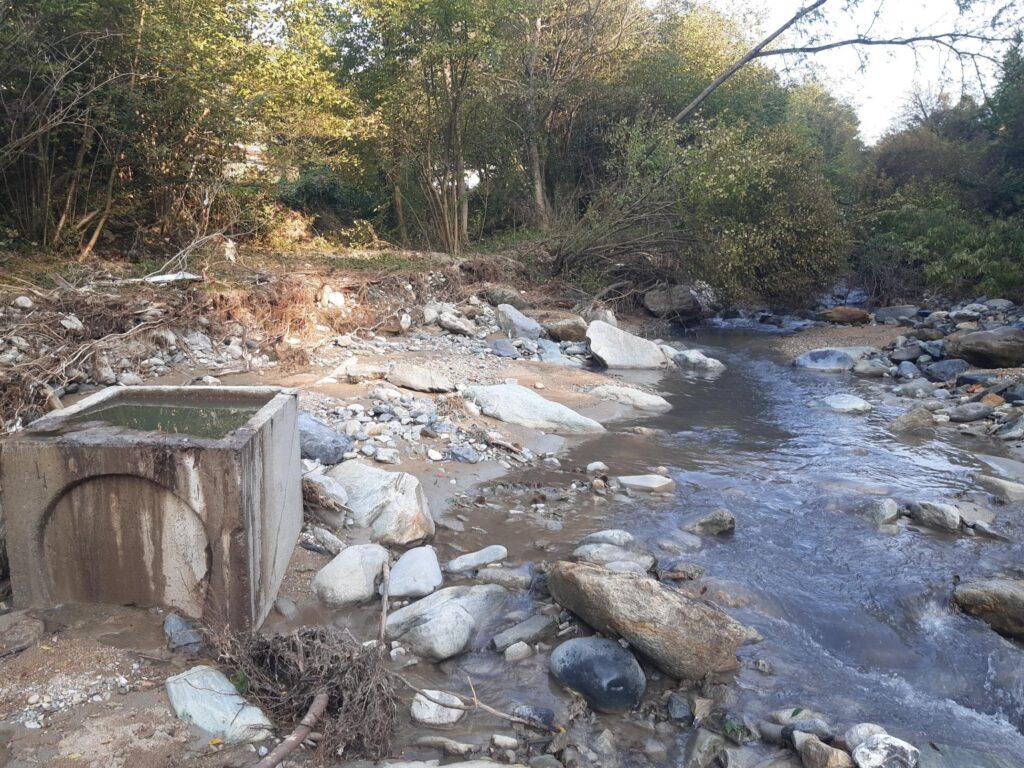
Weather events caused major pipe ruptures, collapses and blockages, also due to the failure of part of the creek banks on the sewer backbone itself.
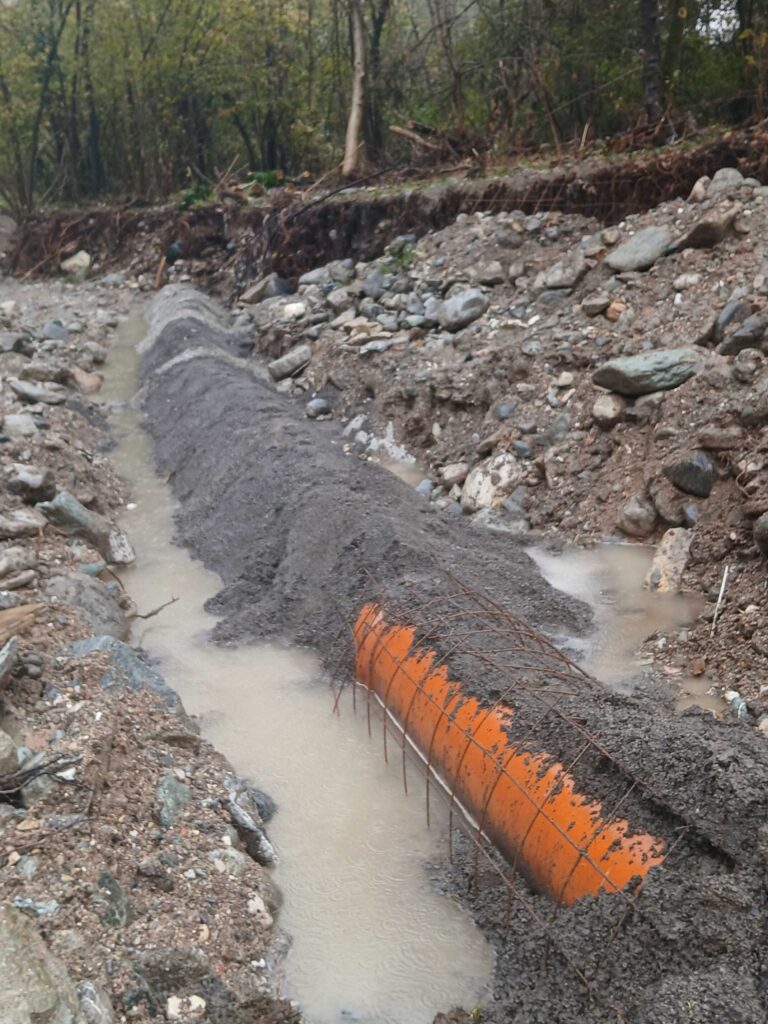
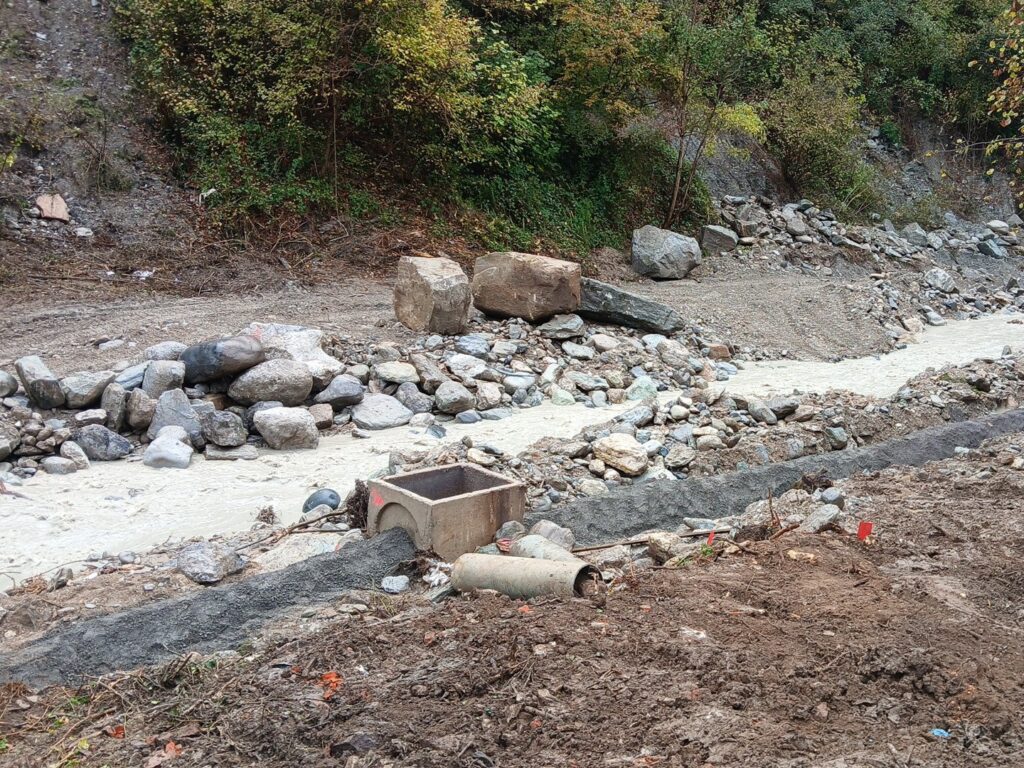
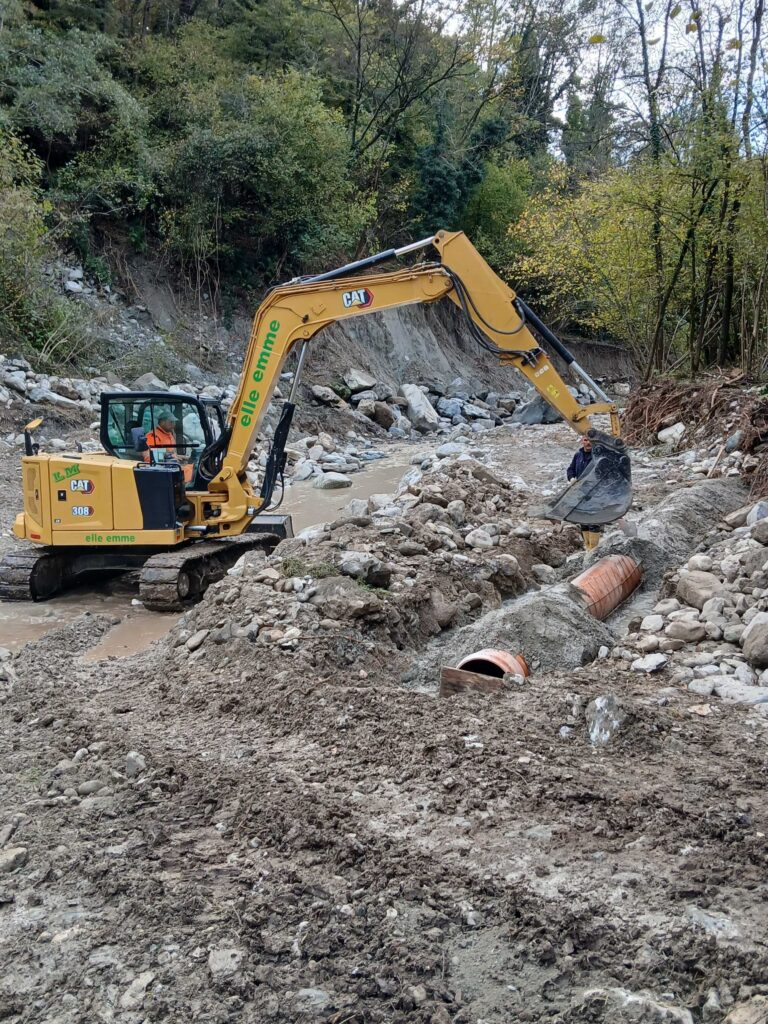
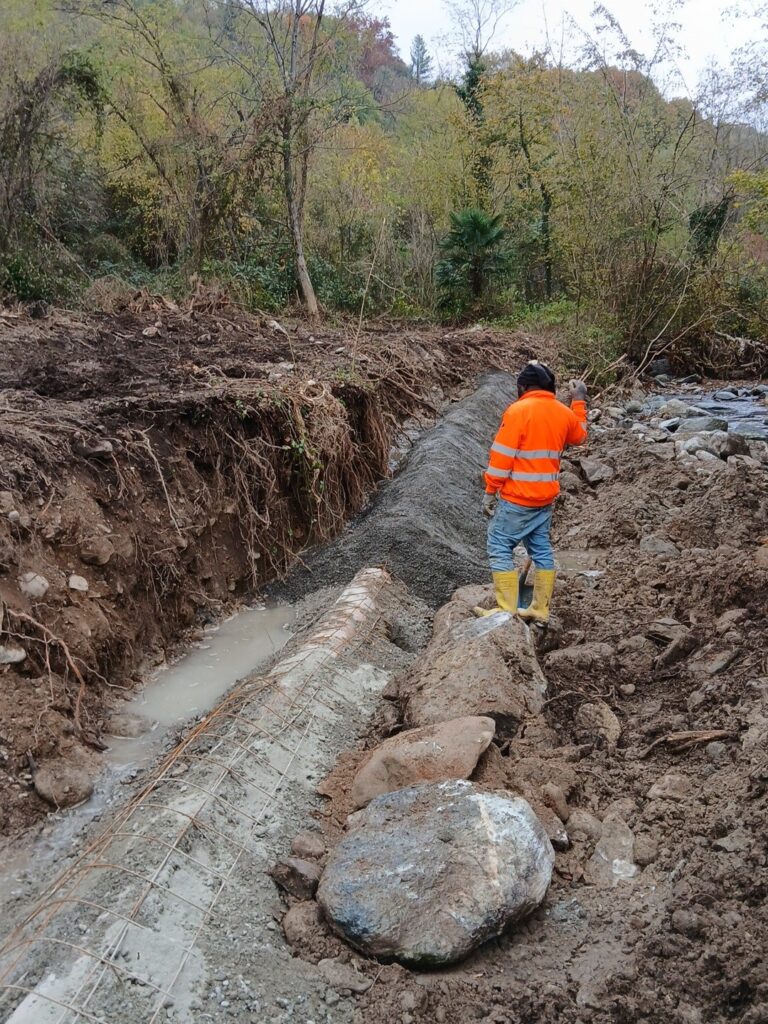
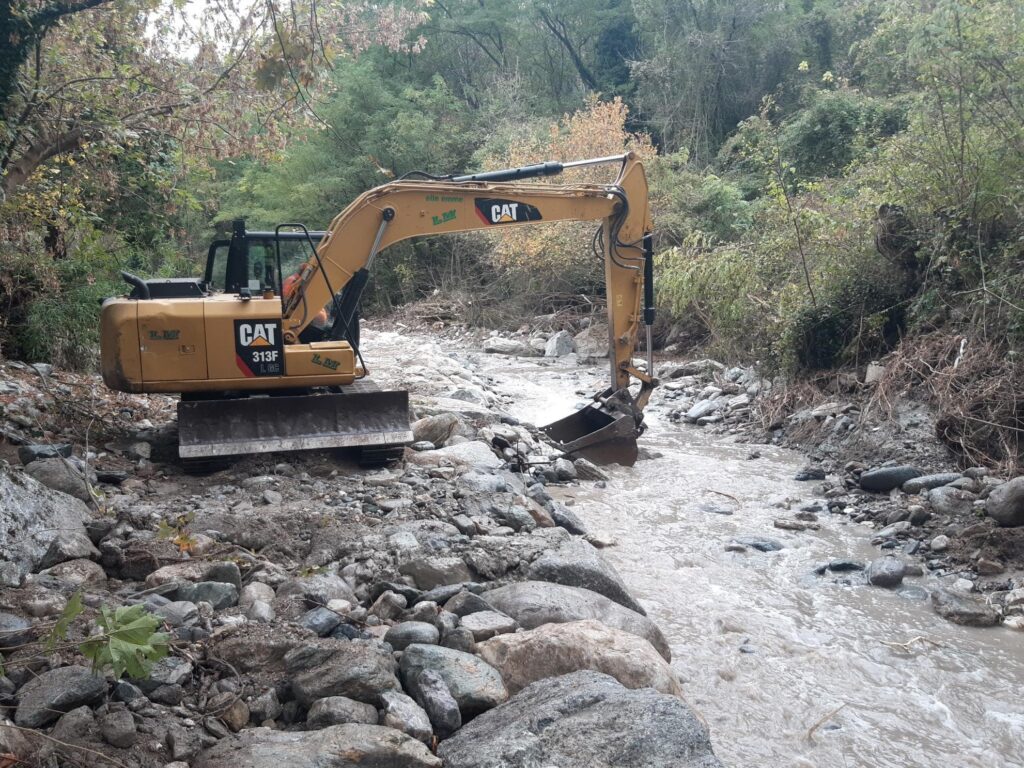
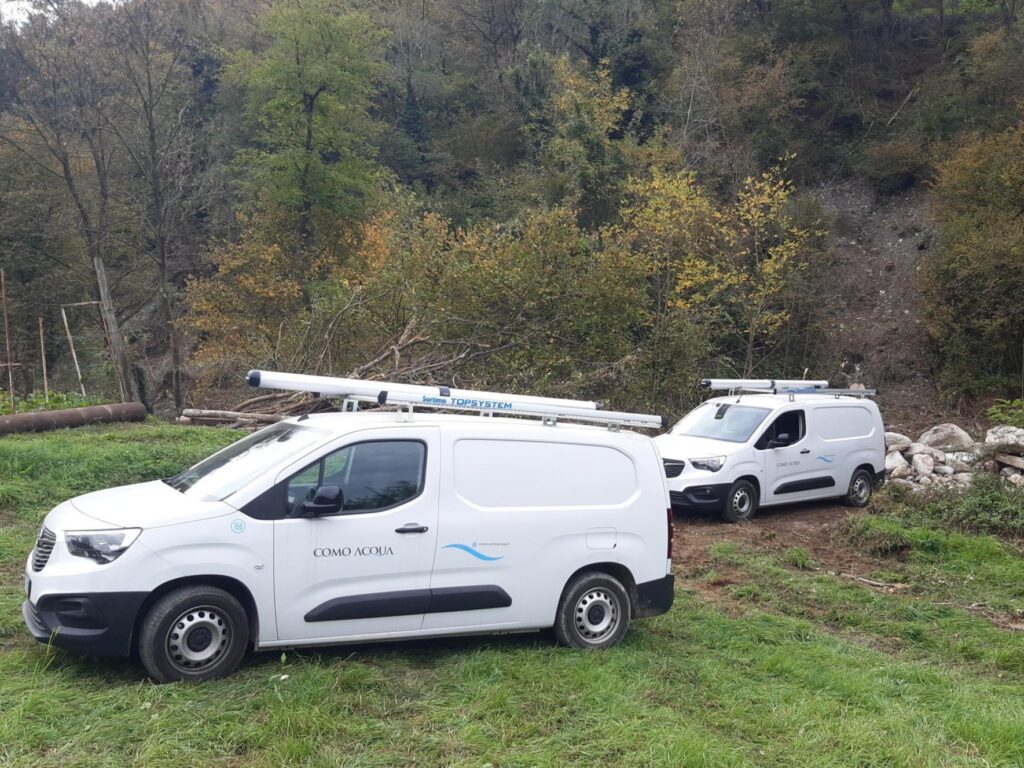
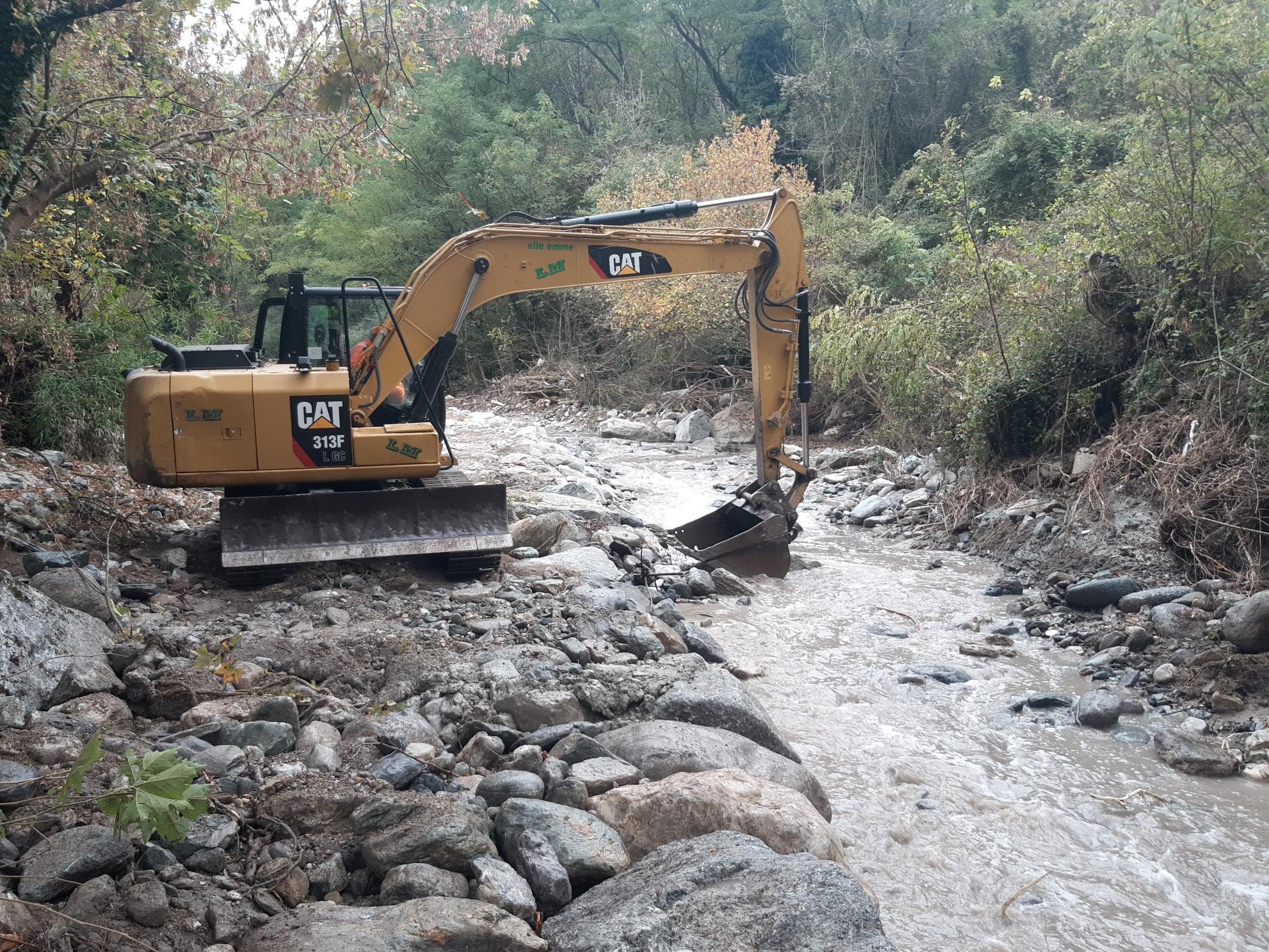
Como Acqua immediately mobilized with an emergency intervention plan. Alongside the complex operations to unclog the pipes from landslide material and debris—spanning a total length of about three kilometers—work began to repair the severely damaged sections of the sewer main, requiring the replacement of about 60 meters of piping. The most extensive work took place in the Camnago Volta area, between Via Paradiso and Via Borgomainero: in fact, the area proved to be rugged and characterized by landslides, which made the restoration even longer and more complex.
As of today, with the completion of the activities, the wastewater from the inter-municipal network is once again regularly being conveyed to the purification plant. Monitoring by Como Acqua remains constant, and in any case, no new critical issues have been detected after the latest rains.
In the coming days, temporary auxiliary works will be carried out on the Cosia stream to build dams and weirs that will allow the collector to be protected: these “barriers” will strengthen the stability of the newly repaired sections of the pipeline and ensure future water safety. These activities may temporarily increase the turbidity of the water in the Cosia area downstream of the construction site, a phenomenon that will remain under control and has already been communicated to the environmental representatives.
Como Acqua renews its thanks to the institutions and bodies involved – the Lombardy Region (Comos Territoriale Office), ARPA, Prefecture, ATS, ATO, Province of Como, municipal administrations, associations, environmental organizations and citizens – and ensures its utmost commitment to managing the impact that extreme events and climate change have on water infrastructure, in the interests of the environment and users.